
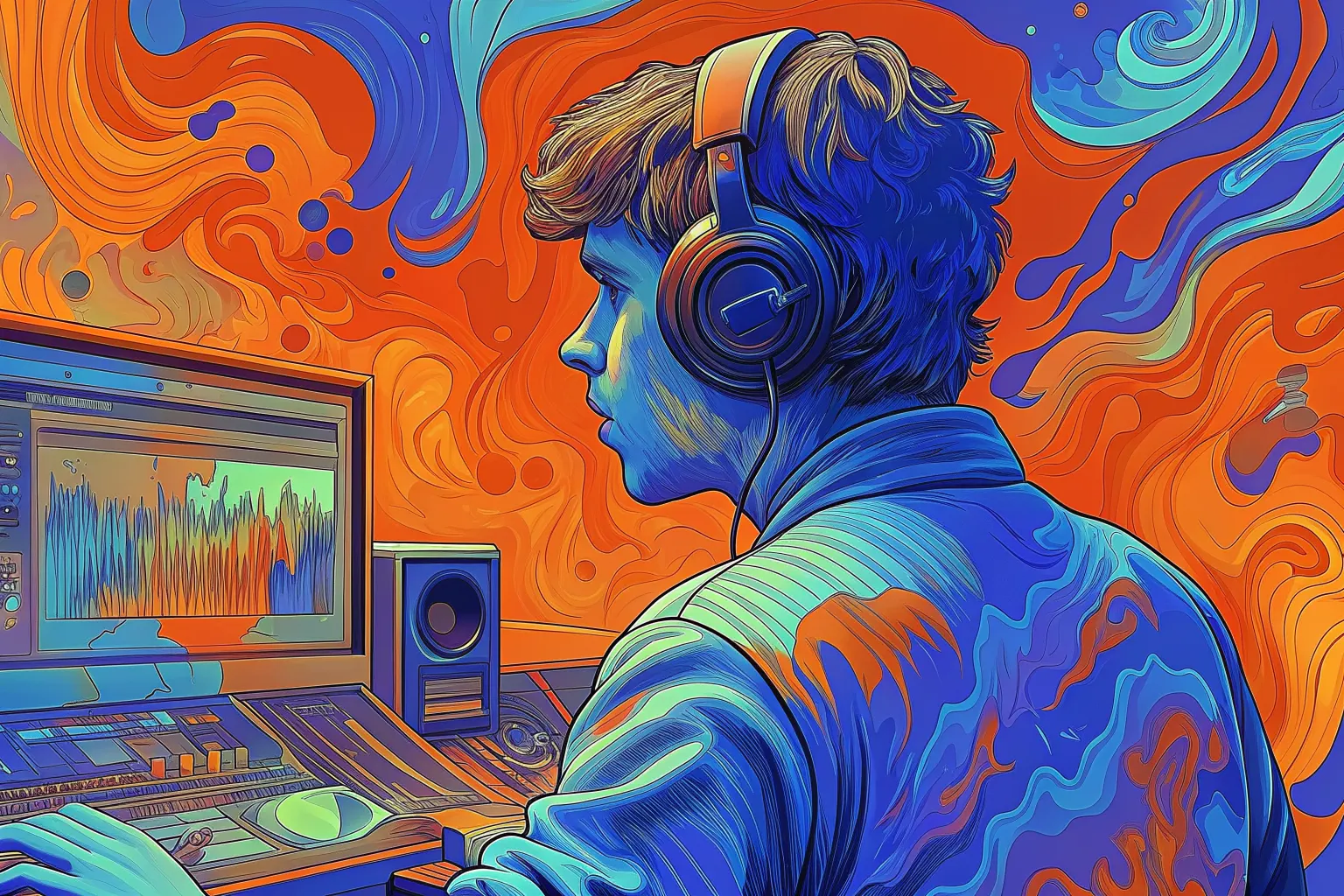
UX Tips: Designing with Neurodivergent Users in Mind
Just like how everyone sees and appreciates art in their own way, the way we interact with digital spaces can also be unique. This is especially true for those who are neurodivergent, and as UX designers, we need to keep these differences in mind. This article will guide you through some essential tips for designing with neurodivergent users in mind.

Ever look at Van Gogh's Starry Night and get lost in the swirl of stars? It's beautiful, right? Now, imagine experiencing that artwork differently - in a unique way because your brain processes things unlike most people's. That's what it can be like for individuals who are neurodivergent.
Ryan's Brain Needed Music
Isn't it amazing how our brain adapts to different situations? Take a moment and watch this video of Ryan Woodard, a young man on the Autism spectrum, singing a song by John Mayer.
Ryan couldn't communicate verbally until he was 10. Music helped his brain find a way to adapt to his mental environment and ultimately, learn how to speak.
Just like how music opened up a whole new world for Ryan, good design, especially when it's accessible, can help users like him feel welcomed and easily adapt to a new digital environment.
Understanding the Term "Neurodivergent"
When we say someone is "neurodivergent," we mean their brain works in a way that's different from what's often considered "normal." It's not a term you'd find in a medical textbook, and being neurodivergent doesn't mean a person has a disability or a disorder. It's just a term used to highlight unique ways of learning and processing information.
On the other side of the spectrum, we have "neurotypical." This term is used to describe a person whose brain functions and processes information in a way that aligns with common expectations.
Designing with Neurodivergent
Here's the deal: designing with neurodivergent users in mind doesn't have to be complicated. You just have to take note of a few things:
Clear and Consistent Communication
- Keep things simple.
- Use straight-to-the-point language and avoid sayings or expressions that might not be clear to everyone.
- Always give clear instructions, and don't just depend on hints or cues.
Simplify and Declutter
- A messy, busy interface is no one's friend.
- Keep things tidy and easy to understand.
- Avoid too many visual or audio distractions, as these can overwhelm some users.
Provide Customization Options
- Everyone's different, and what works for one person might not work for another.
- Allow users to adjust the colors, font sizes, contrast levels, and other parts of the interface to make it just right for them.
- Stay away from "overlays" - scripts that intend to provide accessible fixes on the fly, as they can cause additional barriers for other user groups.
Incorporate Feedback Loops
- Keep your users in the loop.
- Show them how they're doing and let them know when they've accomplished something.
- This could be as simple as a pop-up message, a sound effect, a progress bar or checklists.
Consider Sensory Sensitivities
- Be mindful of things like bright lights, loud sounds, or specific animations.
- Some people might find these overwhelming or uncomfortable.
- Give users the option to control, mute, or adjust these elements.
Lastly, Always Test with Diverse Users
- The best way to find out if your design is accessible is to test it with a diverse group of users, including neurodivergent individuals.
- Actively ask for feedback and involve all sorts of users in your design process.
- If you are in the position of hiring someone, consider including disabled people in your team.
Wrapping it up
Accessibility is not just about checkboxes and legal requirements. It's about people. It's about making sure everyone has equal access to information, services, and opportunities, no matter how their brain is wired.
Just like Ryan found his voice through music, we, as UX designers, have the power to create digital environments that can unlock new potentials for neurodivergent individuals. By being mindful of our designs, we can build bridges and break down barriers, allowing everyone to navigate and interact with our digital world more seamlessly.
Let's continue to learn, adapt, and grow together in our journey toward inclusivity and accessibility.
+++
About the drawing
The drawing for this piece was generated, not chosen. Hashing the piece’s name fixes one point on the color wheel; the other two follow from it. The same name always gives the same three colors.
#357588#3d52d7#c67a4eThe line under the drawing marked “Meant to show” is written by a person, not the model. A generated drawing keeps what is large and loses what is small, so the detail that decides who someone is can go missing, and a picture only reaches people who can see it. Where the drawing and that line disagree, the line is the intent.
Or press ←the left arrow and →the right arrow.