About
I grew up in Rio de Janeiro, the middle of three brothers, in a house where everything turned into a competition. When you have two brothers trying to beat you at everything, you learn to get creative fast.
A lot of that creativity came from my father. He’s an engineer, and some of my best memories are of watching him in his workshop, surrounded by tools. I wanted to understand things the way he did, so I started taking my toys apart to see how they worked. Then I’d try to put them back together. Soon I was fixing our bicycles and making my own pieces for futebol de botão, the table soccer game Brazilian kids play with buttons. By the time I was a teenager, neighbors and relatives were calling me to fix their washing machines.
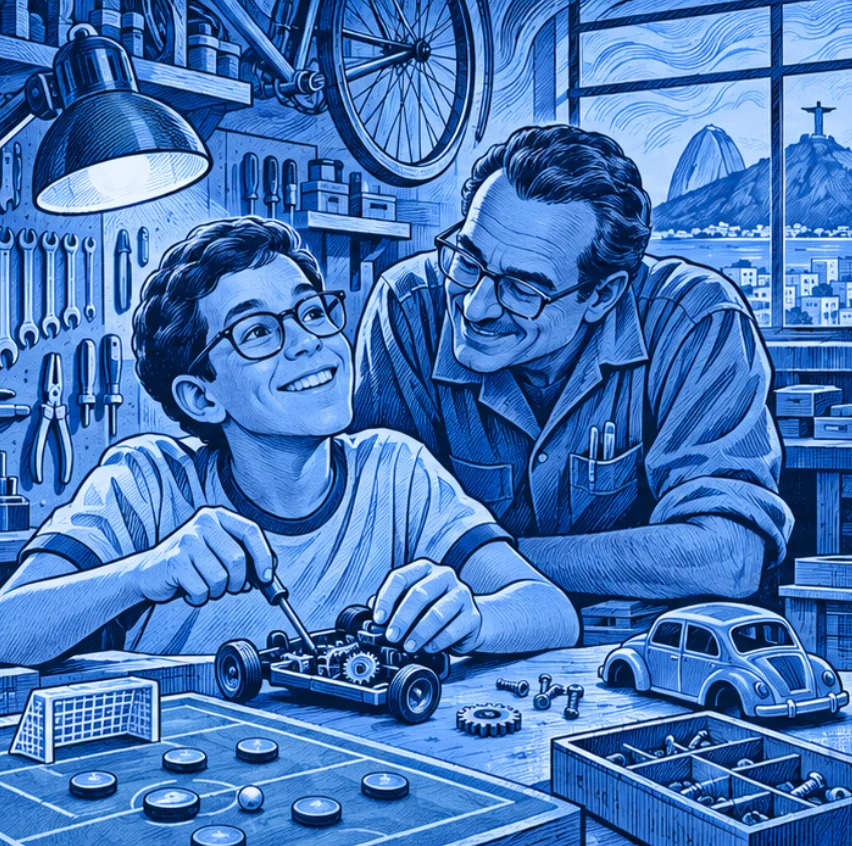
Around then my mom went back to work, and my brothers and I had to keep the house running ourselves. I loved rearranging the furniture. I wasn’t only thinking about where things fit. I was picturing my parents walking in after a long day, and how I wanted the room to feel for them. I didn’t have a name for it then, but that was my first experience design project.
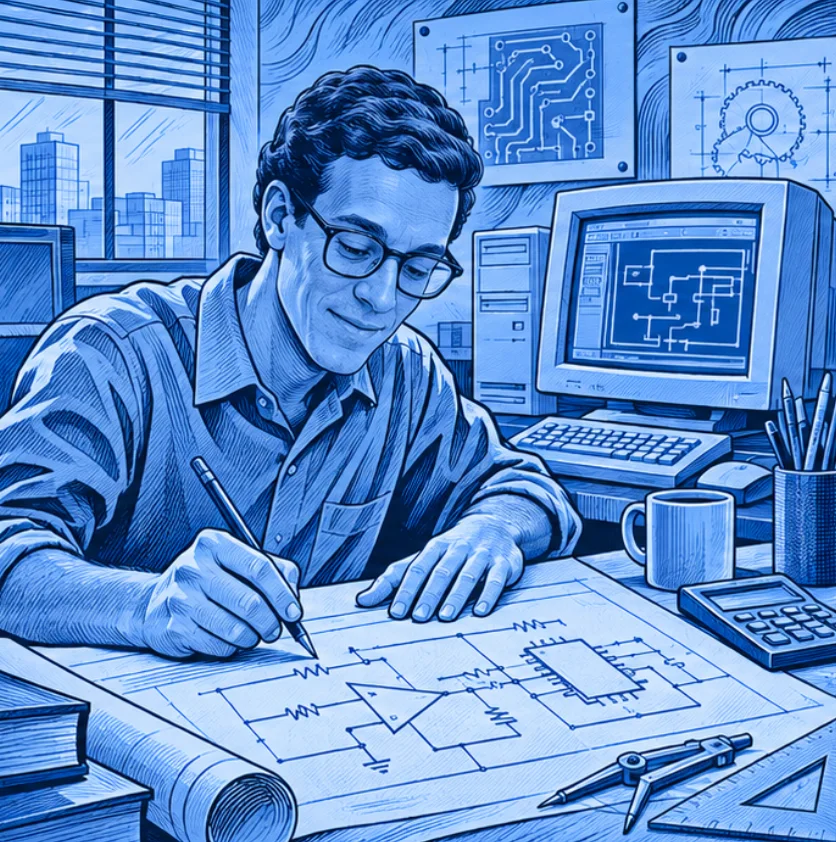
That mix of how things work and how they feel followed me into my career. My first job after graduating was as an electrical designer at General Electric, and we drew everything by hand. Then CAD arrived. I was the youngest person in the department, and I remember my senior colleagues insisting that computers would never replace the drafting table. Of course they did. I think about that often now, because we’re living the same moment with AI, and I hear the same doubts.
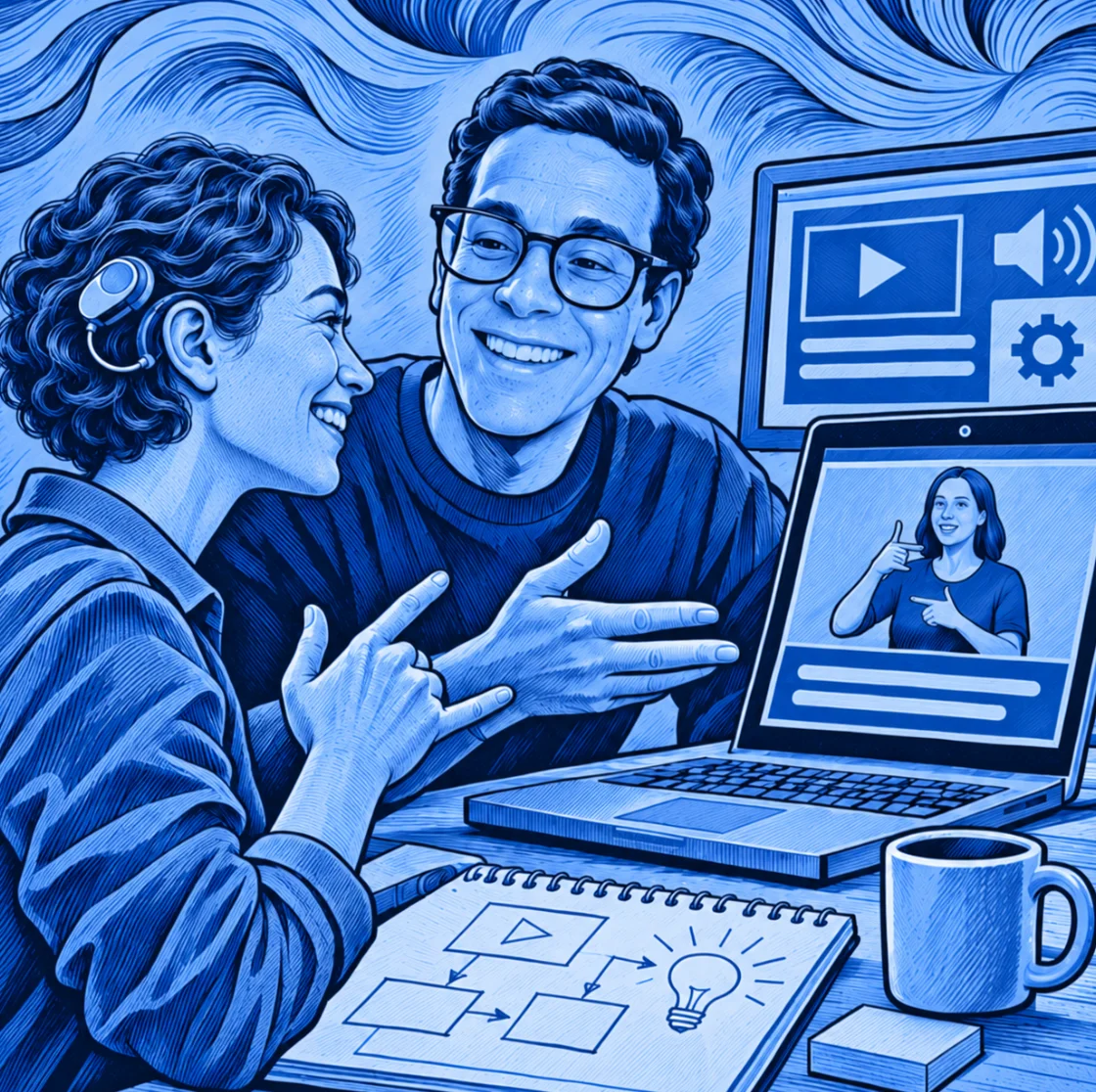
Years later, in Miami, I was teaching interaction design at community meetups, and a man named Mark McGuire started coming to my talks. Mark has been deaf since birth and uses a hearing implant. When the meetups moved online during COVID, he asked if we could add captions and ASL interpretation. I was honestly a little ashamed I hadn’t thought of it myself. Mark became a good friend, and he changed how I work. He taught me that including people with disabilities is a requirement from the very beginning, not something you add at the end.
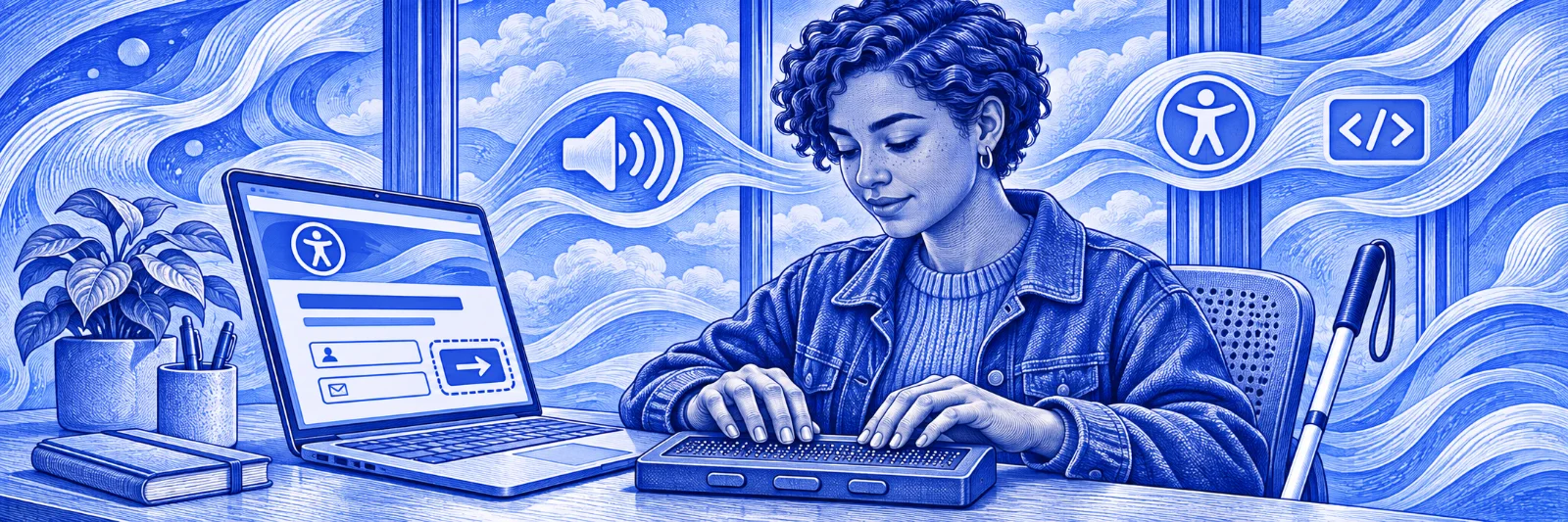
Two lessons from that story stay with me. From GE, I learned that resisting new tools never works, so I’d rather be the one learning them first. From Mark, I learned that a tool is only as good as the people it includes. Right now I’m putting both to work. I’m using AI to build Lumen, a screen reader I plan to open source. When you move from Windows to a Mac today, you have to relearn your screen reader from scratch. Lumen is designed to work the same way everywhere. It also gives you the glance a sighted person gets. It tells you what’s on the screen and takes you straight to where you want to go, so you don’t have to hunt for it. That’s what I bring to this moment: the curiosity of the kid in his father’s workshop, and the conviction that we build for everyone from day one.
Illustrations by MakeHello (opens in a new tab), made for my Hello site and used with their permission.